Stepping into Xi'an is like walking through a temporal gateway where ancient grandeur harmonizes with modern vibrancy. Among the city's most enchanting experiences is the opportunity to don traditional Hanfu attire, an immersive cultural practice that has captivated both locals and global travelers. This sartorial journey transcends mere costume play—it is a profound connection to China's illustrious history, an aesthetic ritual, and a photographic art form all woven into one. To truly embrace the essence of this experience, one must master two core elements: the intricate art of hairstyling and makeup, and the thoughtful pairing of these looks with Xi'an's iconic historical settings.
The foundation of an authentic Hanfu transformation lies in the hairstyle. Traditional Chinese hairstyles are not just about aesthetics—they carry deep symbolic meanings, reflecting the wearer's age, social status, and even historical period. For women, styles often involve elaborate updos adorned with hairpins, step shakes—hairpins that tremble with movement), flowers, and other accessories. Men typically wear their hair long, tied in a topknot or under a guan (a type of crown). A skilled stylist in Xi'an's Hanfu studios will often begin by assessing the client's face shape and chosen Hanfu style to decide on the most period-appropriate and flattering design. For instance, the elegant falling horse bun from the Tang Dynasty, characterized by its loose, side-swept elegance, radiates a romantic grace, while the more structured and ornate styles from the Ming or Song Dynasties exude dignified refinement.
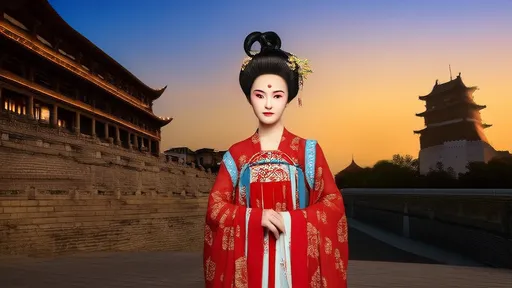
Equally vital is the makeup, which historically varied significantly across dynasties. The Tang Dynasty, known for its openness and prosperity, favored bold and vibrant looks—bright red lips, flushed cheeks, floral forehead decorations and distinctive eyebrow styles that changed with imperial fashion trends. In contrast, the Song Dynasty embraced a more understated and natural elegance, with lighter makeup emphasizing purity and grace. Contemporary Hanfu makeup artists in Xi'an expertly blend historical accuracy with modern techniques to enhance facial features while staying true to the chosen era's spirit. The goal is not to mask but to transform, using cosmetics to evoke the beauty ideals of ancient China—often characterized by pale skin (symbolizing nobility, as laborers were tanned by the sun), rosy cheeks, and defined, expressive eyes.
Once adorned in full Hanfu regalia, the next step is to select the perfect backdrop within Xi'an's urban tapestry. The city is a living museum, and each location offers a unique dialogue between the attire and its environment. The Xi'an City Wall, one of the largest and best-preserved ancient defensive systems in the world, provides a majestic and solemn setting. Its vast, imposing ramparts and towering gates create a powerful scene, ideal for styles from the Ming Dynasty when the wall was reinforced. The grandeur of the architecture complements the structured, dignified silhouettes of Ming-era official or military Hanfu, resulting in photographs that feel both heroic and timeless.
For those drawn to the opulence and romanticism of the Tang Dynasty, the Dayan Pagoda and its surrounding gardens are unparalleled. This area, once part of the Tang capital Chang'an, evokes the era's cultural flourishing and poetic beauty. The gentle curves of the pagoda against the sky, the tranquil ponds, and blooming peonies in spring form a soft, picturesque canvas. Here, wearing the characteristic wide-sleeved, high-waisted robes of Tang nobility, often in rich silks and vibrant colors like scarlet, gold, or azure, feels utterly natural. The setting enhances the attire's luxurious fabrics and flowing lines, while the playful and bold Tang makeup looks perfectly at home amidst the area's graceful beauty.
The Huaqing Pool, an imperial hot spring palace at the foot of Mount Li, tells stories of love and luxury from centuries past. Its classical pavilions, winding corridors, and steamy pools are steeped in the legend of Emperor Xuanzong and his beloved Consort Yang. This location calls for elegant, graceful Hanfu styles that suggest leisure and romance—perhaps the flowing skirts of the Tang or the delicate, layered garments of the Song. The misty atmosphere and historical resonance of the site add a layer of poetic melancholy and drama to photos, making the wearer seem like a figure stepped directly out of an ancient tale or poem.
For a more intimate and scholarly vibe, the Forest of Stone Steles Museum offers a unique ambiance. This repository of ancient Chinese calligraphy and stone inscriptions resonates with the spirit of literati and scholars from dynasties like the Song and Ming. Wearing the simpler, more refined Hanfu of a scholar—often in muted colors like grey, blue, or beige, accessorized with a guan for men or a subtle hairpin for women—feels appropriate here. Posing thoughtfully among the ancient stones and quiet courtyards can create images that convey wisdom, contemplation, and a deep reverence for culture and history.
Beyond these major sites, the hidden gems of Xi'an—a quiet temple courtyard, a traditional tea house, or a secluded section of a park—can offer equally compelling and often less crowded settings. The key is to seek harmony between the Hanfu's color, style, and era and the environment's character. A vibrant Tang outfit might feel out of place in a serene Song-era garden, just as a Ming scholar's robe would look incongruous before the bold grandeur of a Tang palace ruin. Many local Hanfu rental studios provide not just clothing and styling but also location advice, often having curated lists of photogenic spots that align with specific dynastic aesthetics.
Ultimately, the Hanfu experience in Xi'an is a deeply personal and creative act of cultural engagement. It is a chance to wear history, to physically embody the aesthetics and spirit of a bygone age while exploring the very grounds where that history unfolded. The careful attention to hairstyle and makeup completes the transformation, allowing the wearer to not just look the part but feel it. And by thoughtfully matching this transformed self to the perfect historical scene, one creates not just photographs, but personal connections and lasting memories, bridging the gap between the present and the profound, enduring beauty of ancient China.

By /Aug 22, 2025
By /Aug 22, 2025
By /Aug 22, 2025
By /Aug 22, 2025

By /Aug 22, 2025
By /Aug 22, 2025

By /Aug 22, 2025

By /Aug 22, 2025

By /Aug 22, 2025

By /Aug 22, 2025

By /Aug 22, 2025

By /Aug 22, 2025

By /Aug 22, 2025
By /Aug 22, 2025

By /Aug 22, 2025

By /Aug 22, 2025
By /Aug 22, 2025

By /Aug 22, 2025

By /Aug 22, 2025
By /Aug 22, 2025
