In the ever-evolving landscape of material science, a quiet revolution is unfolding, one that draws inspiration from the natural world's most ingenious architects: animals. For centuries, humans have looked to nature for solutions, but recent advancements in biotechnology and materials engineering have unlocked unprecedented opportunities to harness and replicate the sophisticated materials produced by various species. This burgeoning field, focused on animal-derived novel materials, is not merely about imitation; it's about understanding deep biological principles and translating them into innovative applications that could redefine industries from medicine to manufacturing.
The drive towards bio-inspired materials stems from a growing recognition of the limitations of synthetic production. Conventional manufacturing often relies on energy-intensive processes and non-renewable resources, resulting in materials that can be inefficient, polluting, or lack the complex functionalities found in nature. In contrast, biological materials are synthesized under ambient conditions, are fully biodegradable, and exhibit remarkable properties—strength, flexibility, self-healing capabilities, and adaptability—that engineers have long struggled to replicate. Animals, through millions of years of evolution, have perfected the art of material creation, producing substances like silk, chitin, collagen, and mother-of-pearl with structures so intricate that they outperform many human-made alternatives.
Take, for instance, the humble spider. Its silk is a material science marvel, possessing a tensile strength comparable to high-grade steel yet weighing significantly less and being incredibly elastic. Researchers are delving into the genetic and proteomic foundations of spider silk, aiming to produce it sustainably through bioengineering. Companies are already experimenting with fermenting genetically modified yeast or bacteria to produce silk proteins, which can then be spun into fibers for use in ultra-strong textiles, lightweight composites for aerospace, and even biodegradable medical sutures that promote healing. The potential here is vast, moving us toward a future where materials are grown, not manufactured, in vats.
Another frontier lies in the realm of marine biology. Mussels, those unassuming creatures clinging to rocky shores, produce an adhesive so powerful it binds them firmly underwater, a feat no synthetic glue can reliably accomplish. This adhesive is a complex mixture of proteins rich in the amino acid DOPA. Scientists are now decoding these proteins to create new medical adhesives that can seal wounds in wet environments, such as during surgeries, or repair tissues without the need for staples or sutures, reducing trauma and improving recovery times. This bio-adhesive technology promises to transform surgical practices and offer new solutions for regenerative medicine.
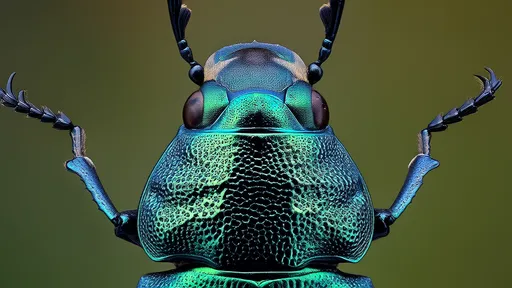
The world of crustaceans and insects offers yet another treasure: chitin. This polysaccharide, a primary component of exoskeletons, is the second most abundant natural polymer on Earth after cellulose. Its derivative, chitosan, possesses unique properties—it is biocompatible, antimicrobial, and biodegradable. Research is exploding around applications for chitosan, from creating advanced wound dressings that actively fight infection and accelerate healing to developing filtration systems that can purify water by capturing heavy metals and microbes. There is even exploration into using chitosan-based materials for sustainable packaging, offering a viable alternative to petroleum-based plastics and addressing the global plastic pollution crisis.
Perhaps one of the most visually stunning natural materials is nacre, or mother-of-pearl, found lining the shells of mollusks like abalone. This iridescent substance is a composite of brittle calcium carbonate platelets bound together by soft organic proteins, resulting in a material that is incredibly tough—3,000 times more fracture-resistant than the minerals it comprises. The "brick-and-mortar" microstructure of nacre has become a blueprint for developing new, lightweight ceramic composites. By mimicking this structure, engineers are creating materials for body armor, lightweight automotive parts, and even next-generation aerospace components that are both strong and damage-tolerant, absorbing impact in ways traditional ceramics cannot.
The field is also making significant strides in medicine by leveraging materials we already have inside us. Collagen, the most abundant protein in mammals, forms the scaffold for our skin, bones, and tendons. While not new, the ways we source and use it are becoming increasingly sophisticated. Instead of relying solely on animal extraction, research is focused on producing recombinant human collagen through cellular agriculture. This lab-grown collagen is purer, avoids immune reactions, and can be precisely engineered for specific applications, such as creating highly realistic artificial skin for grafts, bio-inks for 3D printing organs, or scaffolds that guide the regeneration of damaged nerves and cartilage, pushing the boundaries of what's possible in reconstructive surgery and tissue engineering.
However, this exciting frontier is not without its significant challenges. Scaling up the production of these bio-inspired materials from the laboratory to industrial levels remains a formidable hurdle. Biological production methods, like fermentation, can be costly and complex to optimize for high yield. There are also ethical considerations to navigate. While using byproducts from the fishing industry (for chitin) or farming (for collagen) is common, the move towards more direct biological sourcing—such as harvesting silk from spiders or proteins from mussels—raises questions about animal welfare and sustainable exploitation. The field must develop ethical frameworks and cruelty-free production methods, such as the aforementioned microbial fermentation, to ensure its growth is responsible.
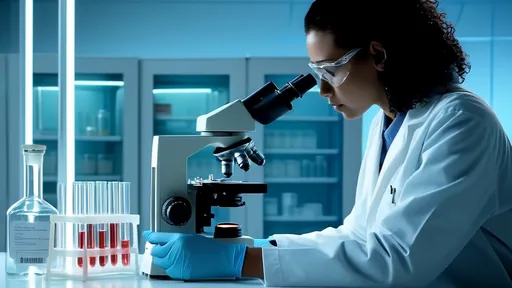
Furthermore, the very complexity that makes these materials so valuable also makes them difficult to characterize and reproduce consistently. A spider's silk varies based on its diet, age, and environment. Replicating this perfectly in a lab, batch after batch, requires a deep and nuanced understanding of the biological systems at play. It demands interdisciplinary collaboration between biologists, chemists, material scientists, and engineers—a synthesis of knowledge that is only now becoming commonplace in research institutions and corporate R&D departments around the world.
Despite these hurdles, the momentum is undeniable. Investment is flowing into biotech startups focused on material innovation, and major corporations are establishing partnerships with research labs to bring these next-generation materials to market. The transition from a take-make-waste linear economy to a circular bioeconomy is a powerful driver. Consumers and regulators are increasingly demanding sustainable products, and animal-derived novel materials offer a path to meet that demand without sacrificing performance.
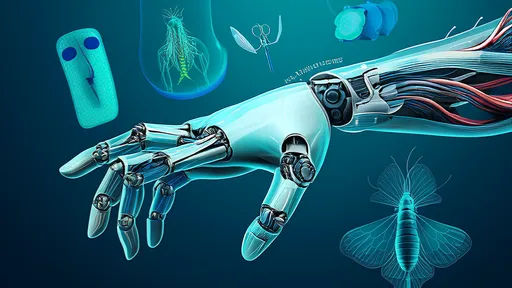
Looking ahead, the implications are profound. We are moving towards an era where the boundaries between the natural and synthetic worlds will blur. Imagine buildings reinforced with fibers inspired by silkworms, self-healing car paints based on mussel proteins, or personalized medical implants grown from your own cultured collagen. This is not distant science fiction; it is the direct trajectory of current research. The study of animal-derived materials is teaching us that the most advanced technology on Earth has been here all along, hidden in plain sight within the creatures we share our planet with. By learning their secrets, we are not just creating new materials; we are learning to build a future in harmony with nature, one ingenious molecule at a time.

By /Aug 21, 2025

By /Aug 21, 2025

By /Aug 21, 2025

By /Aug 21, 2025

By /Aug 21, 2025

By /Aug 21, 2025
By /Aug 21, 2025
By /Aug 21, 2025
By /Aug 21, 2025

By /Aug 21, 2025
By /Aug 21, 2025
By /Aug 21, 2025

By /Aug 21, 2025

By /Aug 21, 2025

By /Aug 21, 2025
By /Aug 21, 2025
By /Aug 21, 2025

By /Aug 21, 2025
By /Aug 21, 2025

By /Aug 21, 2025
