Medicinal Animal Conservation: Balancing Tradition and Modernity

Aug 21, 2025 By

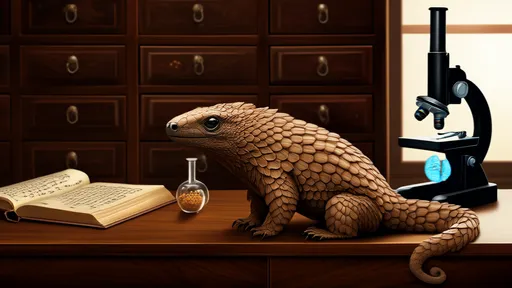
The silent forests and deep oceans hold secrets that have long been the bedrock of human healing. For millennia, communities across the globe have turned to the animal kingdom, not merely for sustenance, but for profound medicinal remedies. The use of animal parts—from the powdered horn of a rhinoceros to the bile of a captive bear—is steeped in tradition, forming an intricate part of cultural heritage and ancient medical systems like Traditional Chinese Medicine (TCM), Ayurveda, and various indigenous practices. This historical reliance represents a deep, symbiotic relationship with nature, where every creature was believed to possess a unique essence capable of restoring balance to the human body.

Yet, this ancient pact with nature is now under immense strain. The very traditions that once existed in relative harmony with the environment are colliding with the stark realities of the 21st century. Exploding human populations, rampant wildlife trafficking, and habitat destruction have created a perfect storm. Species that were once abundant are being pushed to the brink of extinction, not for food, but for their perceived curative properties. The modern world, with its globalized trade networks and high-powered rifles, has amplified the scale of harvesting to industrial and unsustainable levels, threatening to sever the very roots of the tradition it supplies.

The dilemma is profound and fraught with ethical tension. On one side stands the undeniable right to cultural preservation and the autonomy of traditional knowledge systems. For many, these remedies are not mere superstition; they are a living, breathing part of their identity and worldview, proven effective through generations of lived experience. To dismiss them outright is seen as a form of cultural imperialism. Conversely, the argument for conservation is compelling and urgent. The loss of a species is irreversible, and the ecological consequences of removing key animals from an ecosystem can trigger a catastrophic cascade, undermining the health of the planet itself.

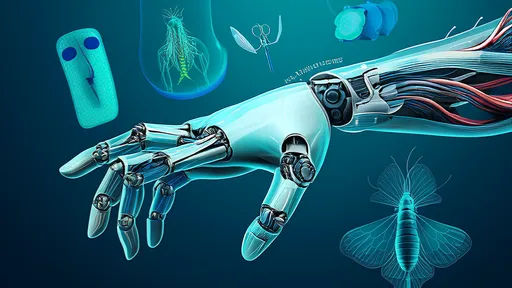
Navigating a path forward requires a move beyond simplistic binaries and towards innovative, multifaceted solutions. The goal is not to eradicate tradition but to evolve it, ensuring its survival without costing the Earth. A critical first step is the rigorous validation of traditional claims through modern science. Research can help identify the active compounds within animal products, paving the way for the development of effective synthetic or plant-based alternatives. The creation of synthetic substitutes, like lab-grown musk or synthetic bear bile acid (ursodeoxycholic acid), which is already a mainstream pharmaceutical, offers a promising avenue to satisfy demand without endangering a single creature.

Furthermore, sustainable farming of certain species presents a controversial yet practical option for some animals. While not a solution for all—especially large, slow-breeding mammals like rhinos or tigers—well-regulated farming of more viable species like certain snakes or frogs can provide a legal supply chain that undercuts poachers. However, this approach must be meticulously managed to prevent laundering of wild-caught animals and to ensure the highest standards of animal welfare are met, lest it creates a new set of ethical problems.

Perhaps the most powerful tool is education and cultural dialogue. Working directly with practitioners, community leaders, and consumers is essential. Many are unaware of the devastating ecological impact of their choices or are open to alternatives if they are proven to be just as effective. Initiatives that involve local communities in conservation efforts, providing them with economic incentives through eco-tourism or the sustainable harvesting of plant-based alternatives, can align economic well-being with ecological preservation. This transforms local people from poachers into protectors, the true stewards of their natural heritage.

Finally, the role of robust international and local legislation cannot be overstated. Treaties like CITES (the Convention on International Trade in Endangered Species of Wild Fauna and Flora) are vital in regulating cross-border trade. However, laws must be coupled with effective on-the-ground enforcement to combat the sophisticated networks of wildlife criminals. Strengthening legal frameworks, increasing penalties, and improving anti-poaching patrols are all crucial components of a larger strategy to protect vulnerable species from illegal exploitation.

The journey toward balancing the wisdom of the past with the needs of the future is complex and ongoing. It demands respect for cultural diversity, a commitment to scientific innovation, and an unwavering dedication to ecological stewardship. There is no single magic bullet, but a mosaic of approaches—synthesis, sustainability, education, and regulation—that together can forge a new equilibrium. The objective is a future where the profound knowledge of traditional medicine is not lost but is instead honored by being adapted, allowing both ancient cultures and magnificent species to not only survive but thrive for generations to come.
Recommend Posts
Animal

Snowy Owl's Camouflage: The Invisible Hunter of the White World

By /Aug 21, 2025

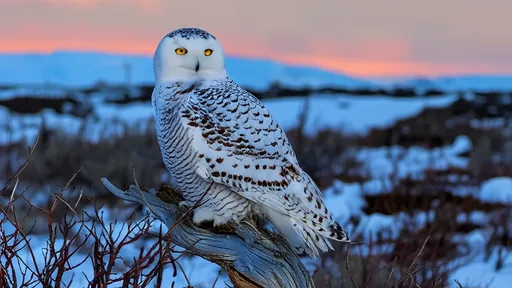
In the vast, silent expanse of the Arctic tundra, where the landscape is a seemingly endless canvas of white, a master of disguise reigns supreme. The Snowy Owl, a creature of mythic beauty and lethal precision, has perfected the art of invisibility. Its brilliant white plumage, often speckled with subtle bars of dark grey or brown, is not merely for show; it is a sophisticated survival tool, a cloak that renders it nearly undetectable against the snow and ice. This is the story of the white world's unseen hunter, a predator whose success is written in the language of light and shadow.
Animal

The Enigma of Butterfly Migration: Long-Distance Flights with Delicate Wings

By /Aug 21, 2025

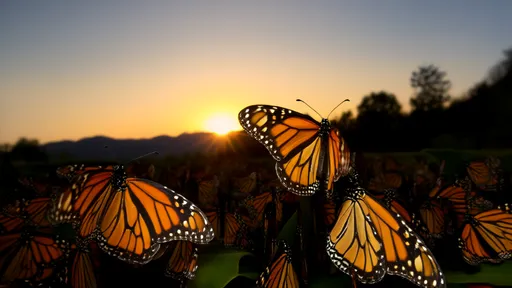
Every autumn, a delicate dance of orange and black descends upon the forests of central Mexico, a spectacle born from one of nature's most profound and fragile journeys. The monarch butterfly, with wings no thicker than a few sheets of paper, embarks on an epic migration spanning thousands of miles—a feat that defies its apparent fragility and continues to mystify scientists and captivate onlookers alike. This annual pilgrimage, a multi-generational relay against staggering odds, represents not just a biological wonder but a poignant narrative of resilience, instinct, and the intricate threads that bind our ecosystem.
Animal

Arctic Fox Color Change: Seasonal Protective Color Variations

By /Aug 21, 2025

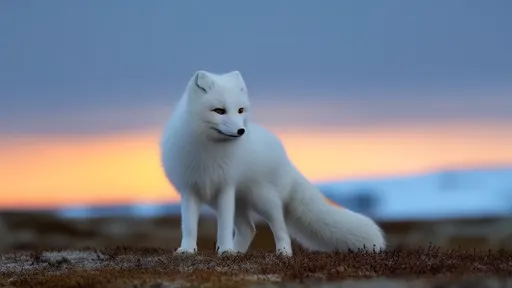
In the vast, windswept expanses of the Arctic tundra, a master of disguise performs a silent, biannual miracle. The Arctic fox, a resilient icon of the far north, undergoes a spectacular transformation not for vanity, but for sheer survival. Its fur, a dense and luxurious coat, does not remain a single, static color throughout the year. Instead, it shifts in a breathtaking display of natural adaptation, morphing from a brilliant, snow-reflecting white in the deep winter to a earthy, rock-and-soil-blending brown and grey for the summer months. This is not a simple change of outfit; it is a sophisticated physiological response to one of the most extreme seasonal shifts on the planet, a direct conversation between the animal's biology and the environment it calls home.
Animal

Muskox's Arctic Gear: Survival Design for Polar Environments

By /Aug 21, 2025

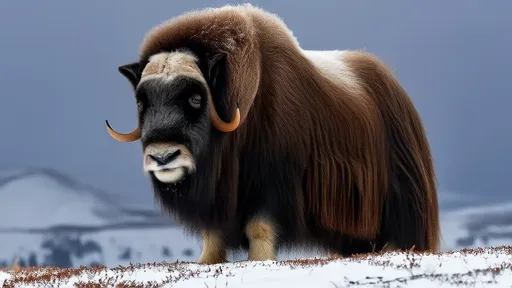
In the stark and unforgiving expanse of the Arctic tundra, where temperatures can plummet to a bone-chilling -40°C and winds howl with relentless fury, survival is a testament to evolutionary genius. Among the few species that not only endure but thrive in this frozen desert is the muskox, a shaggy, prehistoric-looking behemoth. Its very existence is a masterclass in biological engineering, a living fortress designed by millennia of brutal natural selection. This is not merely an animal with a thick coat; it is a perfectly integrated system of thermal regulation, a marvel of insulation and endurance that has captivated biologists and materials scientists alike. Its "anti-cold equipment" offers profound insights into survival in extreme environments, lessons that resonate from the realm of zoology to the cutting edge of human technology.
Animal

Penguin's Cold Tolerance Mechanism: Survival Experts on the Antarctic Ice Plain

By /Aug 21, 2025

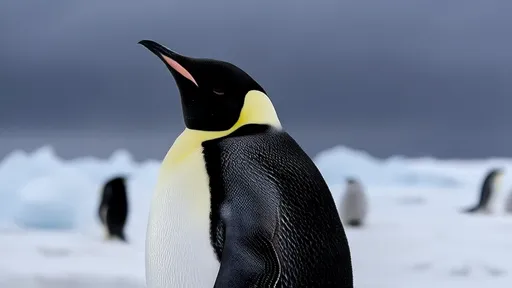
In the vast, frozen expanse of Antarctica, where temperatures plummet to extremes that would be fatal to most life forms, the emperor penguin stands as a testament to evolutionary ingenuity. These flightless birds are not merely surviving; they are thriving in one of the most hostile environments on Earth. Their existence is a masterclass in biological adaptation, a complex symphony of physiological, behavioral, and social strategies honed over millennia. This deep dive explores the multifaceted mechanisms that make the emperor penguin the undisputed survival expert of the Antarctic ice.
Animal

Polar Bear Hunting: Predatory Strategies of the Ice King

By /Aug 21, 2025

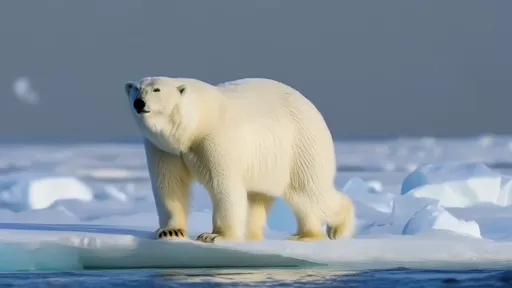
In the vast, frozen expanse of the Arctic, the polar bear reigns as an apex predator, a master of its harsh domain. Its survival is a testament to evolutionary perfection, a complex interplay of physical adaptation, instinct, and learned behavior centered around one critical activity: the hunt. The stark white landscape offers little cover, and prey is often scarce, making every hunting attempt a high-stakes endeavor crucial for the bear's energy-intensive life.
Animal

Biomedical Material Research: New Materials Derived from Animals

By /Aug 21, 2025

In the ever-evolving landscape of material science, a quiet revolution is unfolding, one that draws inspiration from the natural world's most ingenious architects: animals. For centuries, humans have looked to nature for solutions, but recent advancements in biotechnology and materials engineering have unlocked unprecedented opportunities to harness and replicate the sophisticated materials produced by various species. This burgeoning field, focused on animal-derived novel materials, is not merely about imitation; it's about understanding deep biological principles and translating them into innovative applications that could redefine industries from medicine to manufacturing.
Animal

Adaptability of Wild Boars: Urban Fringe Survival Experts

By /Aug 21, 2025

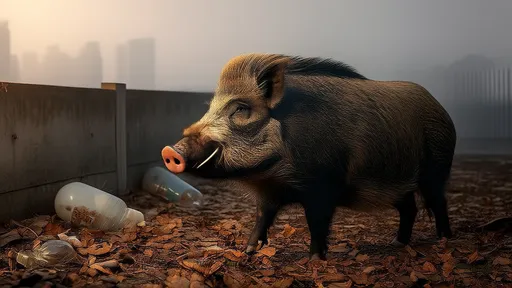
In the shadow of skyscrapers and the hum of urban life, an unlikely survivor thrives with remarkable tenacity. The wild boar, once confined to deep forests and rural landscapes, has emerged as a master of adaptation along the fringes of our cities. These robust creatures navigate a world of concrete and green patches with a cunning that baffles ecologists and unsettles residents. Their story is not one of simple invasion, but a complex tale of resilience, intelligence, and an almost eerie ability to turn human development to their advantage. They are the uninvited guests at our urban picnic, and they are here to stay.
Animal

The Ant Communication System: The Mysterious World of Pheromone Language

By /Aug 21, 2025

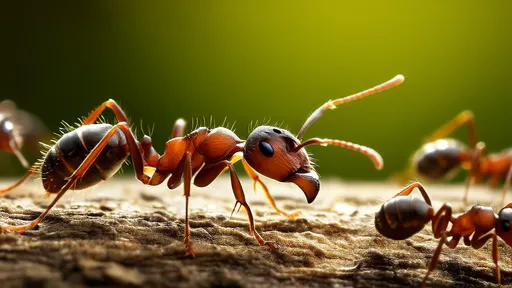
In the intricate world beneath our feet, a sophisticated communication network thrives, one that has evolved over millions of years yet remains largely enigmatic to human observers. Ant colonies, often perceived as simple aggregates of industrious insects, are in fact complex superorganisms governed by an elaborate system of chemical signaling. This system, known as pheromonal communication, represents one of nature’s most fascinating and efficient languages, allowing colonies comprising thousands or even millions of individuals to function with the coordination of a single entity. The study of this chemical lexicon not only unveils the secrets of ant society but also inspires advancements in technology, from networking algorithms to robotics.
Animal

Mantis Hunting Art: The Silent Assassin's Strategy

By /Aug 21, 2025

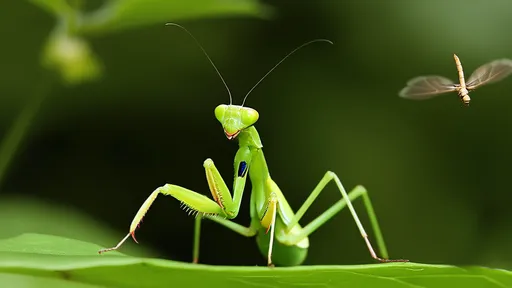
In the dense foliage of gardens and forests worldwide, a master of ambush awaits its unsuspecting prey. The praying mantis, an insect often admired for its prayer-like stance, is in fact one of nature's most efficient and ruthless predators. Its hunting strategy is not one of brute force or overwhelming speed, but a refined art form built on patience, deception, and a lightning-fast strike. This silent killer operates with a chilling precision that has been perfected over millions of years of evolution, making it a fascinating subject for anyone interested in the complexities of predatory behavior.
Animal

Medicinal Animal Conservation: Balancing Tradition and Modernity

By /Aug 21, 2025

The silent forests and deep oceans hold secrets that have long been the bedrock of human healing. For millennia, communities across the globe have turned to the animal kingdom, not merely for sustenance, but for profound medicinal remedies. The use of animal parts—from the powdered horn of a rhinoceros to the bile of a captive bear—is steeped in tradition, forming an intricate part of cultural heritage and ancient medical systems like Traditional Chinese Medicine (TCM), Ayurveda, and various indigenous practices. This historical reliance represents a deep, symbiotic relationship with nature, where every creature was believed to possess a unique essence capable of restoring balance to the human body.
Animal

Beetle Exoskeleton: A Master of Natural Armor Design

By /Aug 21, 2025

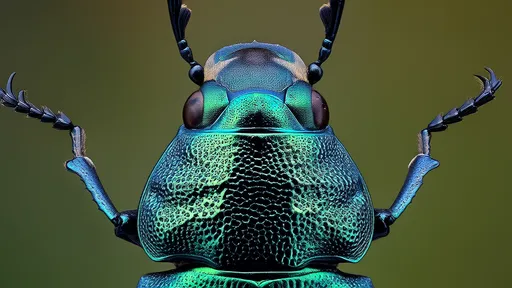
In the vast tapestry of natural engineering, few structures rival the sheer brilliance and resilience of the beetle exoskeleton. These remarkable creatures, with over 400,000 identified species, have perfected the art of survival through an evolutionary masterpiece: an external skeleton that serves as both armor and architecture. This biological innovation is not merely a passive shield but a dynamic, multifunctional system that has inspired human technology for centuries. From the iridescent sheen of the jewel beetle to the rugged, battle-ready carapace of the horned dung beetle, each species showcases a unique adaptation of this extraordinary natural design.
Animal

The Mystery of Bear Hibernation: A Physiological Marvel of Energy Conservation

By /Aug 21, 2025

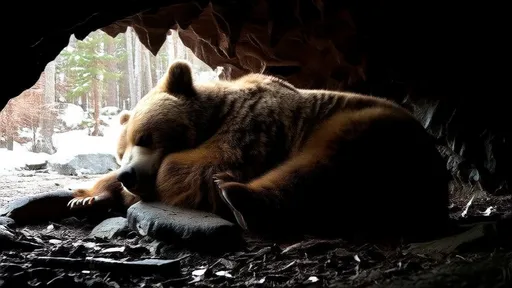
As autumn's vibrant palette fades to winter's monochrome, a remarkable biological drama unfolds in northern forests. Deep within hollowed logs and mountain caves, bears are performing what scientists call the most sophisticated energy conservation strategy in the mammalian world. While many animals hibernate, bears have perfected this art to near-miraculous levels, maintaining their massive bodies for months without eating, drinking, urinating, or defecating.
Animal

The Social Life of Monkeys: The Collective Intelligence of Primates

By /Aug 21, 2025

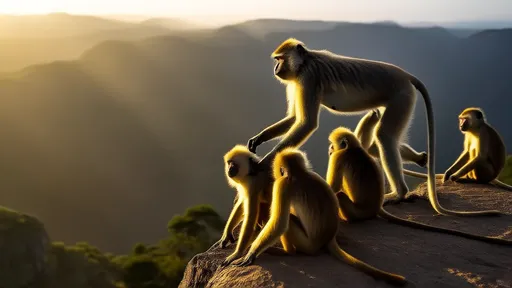
In the dense canopies of tropical forests and across the savannas of Africa, monkeys navigate complex social landscapes that have fascinated scientists for decades. These primates exhibit remarkable forms of collective intelligence that shape their survival, communication, and cultural behaviors. Unlike individual problem-solving seen in many solitary species, monkeys often rely on the accumulated knowledge and coordinated actions of their groups to thrive in challenging environments. Their societies function as dynamic networks where information flows through intricate relationships, creating a tapestry of shared wisdom that has evolved over millions of years.
Animal

Deer's Alert System: Early Warning Experts in the Forest

By /Aug 21, 2025

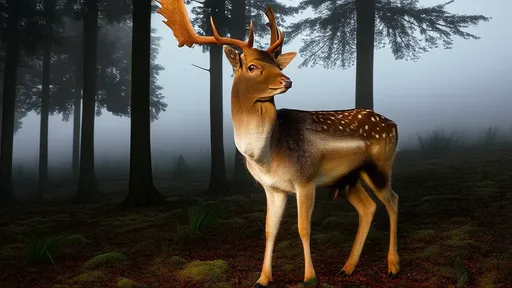
In the quiet heart of the forest, where shadows dance and leaves whisper, there exists a master of vigilance, an unsung sentinel of the wild—the deer. To the casual observer, it may appear as just another graceful creature, a fleeting glimpse of brown and white amidst the trees. But to those who understand the intricate language of the woods, the deer is far more: it is nature's most sophisticated early warning system, a living, breathing alarm that speaks of danger long before human senses can perceive it.
Animal

Honeybee Social Structure: The Caste System in the Insect Kingdom

By /Aug 21, 2025

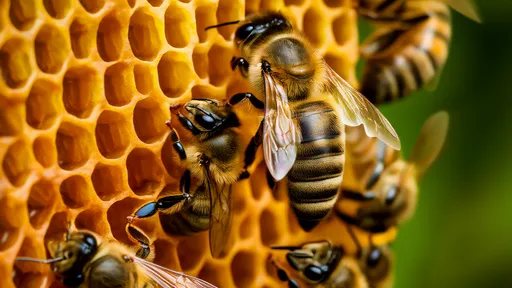
In the dappled sunlight of a flowering meadow, a low hum signals the presence of one of nature's most sophisticated civilizations. The honey bee colony is not merely a collection of insects; it is a superorganism, a single entity composed of thousands of individuals functioning with a precision that has fascinated philosophers, scientists, and poets for millennia. This intricate society operates under a rigid, yet remarkably efficient, caste system that dictates the role and life of every member within the waxen walls of the hive. It is a world of pheromones, dutiful labor, and a single, absolute monarch, offering a profound glimpse into the complexities of social evolution.
Animal

Utilization of Animal Toxins: The Medical Value of Deadly Venom

By /Aug 21, 2025

For centuries, animal venoms have been regarded with a mixture of fear and awe, synonymous with death and suffering. The mere mention of a cobra's bite or a scorpion's sting evokes primal terror. Yet, in a stunning reversal of perspective, modern science is systematically dismantling this age-old dread, revealing these complex chemical cocktails not as mere instruments of death but as potential reservoirs of life-saving medicine. The very toxins engineered by evolution to swiftly incapacitate prey or deter predators are now being meticulously dissected in laboratories worldwide, their molecular blueprints offering unprecedented insights into human physiology and disease. This journey from feared poison to pharmaceutical treasure represents one of the most fascinating and counterintuitive frontiers in biomedical research.
Animal

Animal Medicinal Research: A New Drug Treasure Trove in Nature

By /Aug 21, 2025

In the ceaseless quest for novel therapeutics, the natural world has long served as humanity's most profound and generous apothecary. While plants have historically dominated the stage of ethnopharmacology, a new and potent frontier is rapidly gaining prominence: the vast and intricate realm of animal-derived compounds. This exploration into the biochemical arsenals of creatures, from the deepest ocean trenches to the densest rainforests, is revealing a treasure trove of molecules with unparalleled potential to combat some of our most persistent and devastating diseases. The study of zoopharmacognosy—how animals use plants, soils, and insects to treat disease—has now evolved into a sophisticated discipline focused on the direct medicinal properties of the animals themselves.
Animal

Biomedical Applications Inspired by Animals: Medical Innovations Derived from Nature

By /Aug 21, 2025

In the quiet, almost imperceptible movements of a gecko scaling a vertical glass pane lies a secret that has captivated medical scientists for decades. This remarkable ability, once the sole province of nature's most agile climbers, is now inspiring breakthroughs in surgical adhesives and wound closure techniques that could redefine how we heal the human body. The gecko's foot, with its intricate microscopic hairs and unique adhesive properties, demonstrates an evolutionary marvel of dry adhesion—strong enough to support the animal's weight yet easily detachable without leaving residue. Researchers have painstakingly decoded this biological blueprint, developing medical adhesives that mimic this mechanism for everything from sealing internal surgical incisions to attaching medical devices to moist tissues where traditional adhesives fail. What makes this innovation particularly extraordinary is its responsiveness: much like the gecko can instantly stick and unstick its feet, these medical adhesives can maintain secure attachment under challenging physiological conditions while allowing for clean removal when their purpose is served.
Animal

Squirrels' Storage Strategies: Spreaders of Forest Seeds

By /Aug 21, 2025

In the quiet rustle of autumn leaves, a familiar sight unfolds across temperate forests worldwide. A small, bushy-tailed creature darts between branches, its cheeks bulging with seeds and nuts. This is not mere hoarding; it is the beginning of a complex ecological relationship that has shaped forest landscapes for millennia. The squirrel, often seen as a playful backyard visitor, is in fact one of nature's most efficient and unwitting foresters, a master of dispersal whose forgetfulness becomes the forest's fortune.